EN
 ES
 PT
 FR

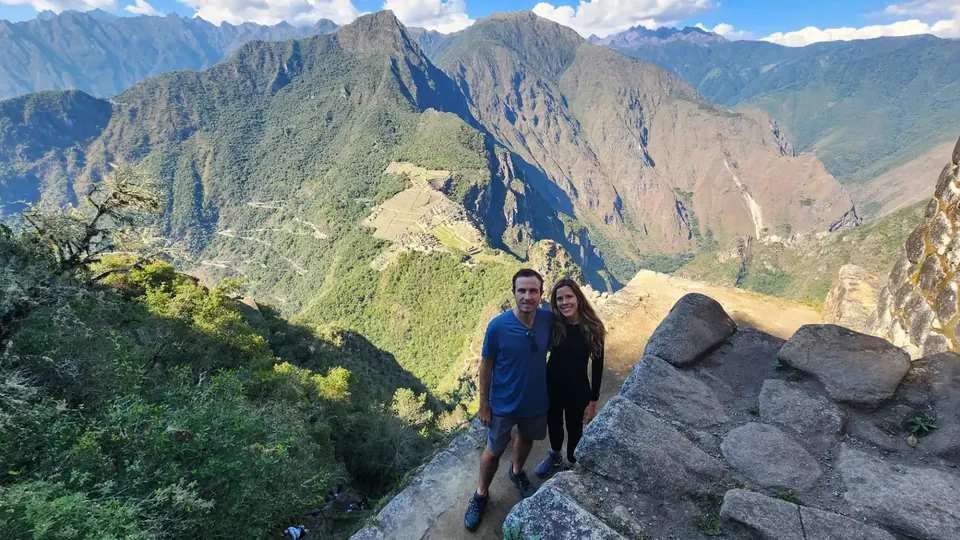
Machu Picchu stands at 2,430 metres (7,972 ft) above sea level. That sounds high, but it is about a thousand metres lower than Cusco, the city where almost every trip starts. Most travellers who feel the altitude feel it in Cusco, not at the citadel. This guide gives you the height of each place on the way, explains what altitude sickness feels like and how to plan your days so it does not spoil the trip.
How high is Machu Picchu?
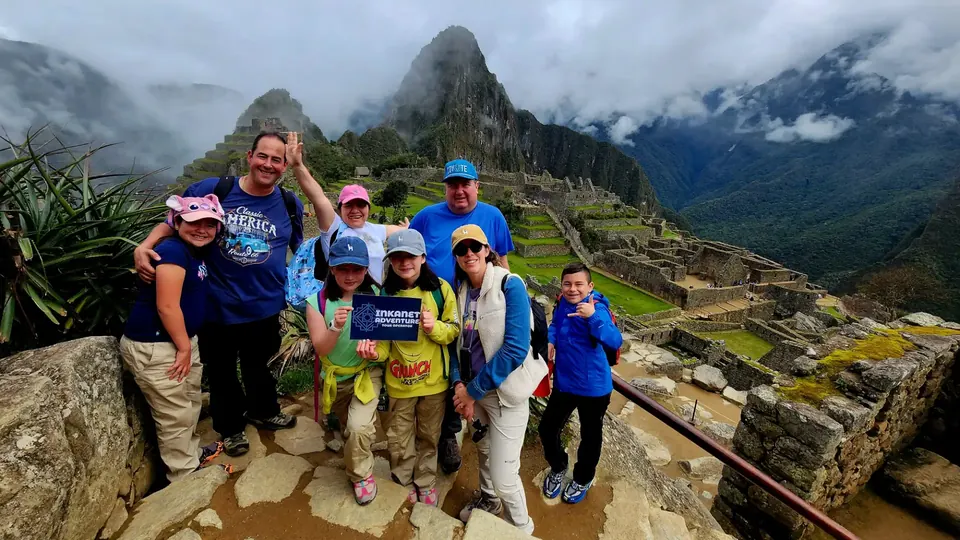
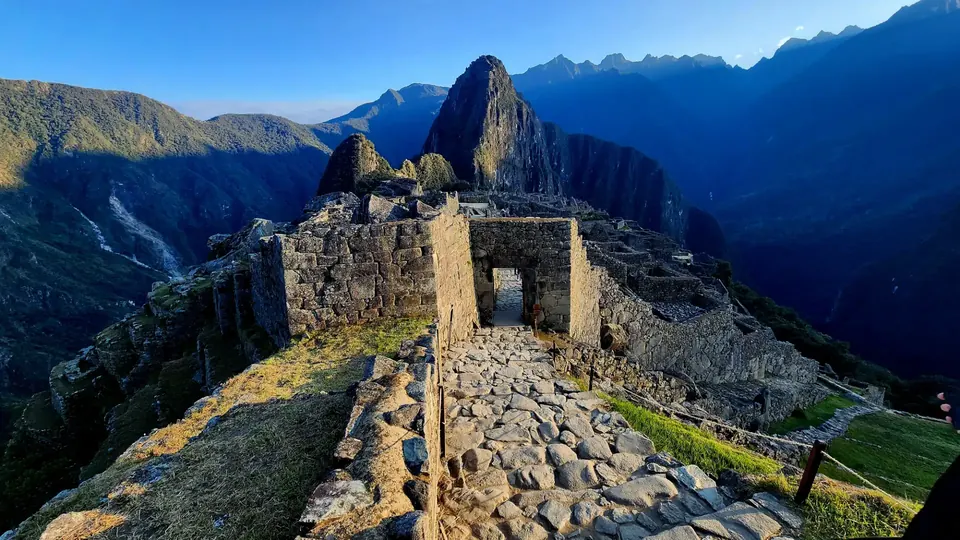
The main square of the citadel is at 2,430 m (7,972 ft). The two peaks that frame the classic photo are higher: Huayna Picchu reaches 2,693 m (8,835 ft) and Machu Picchu Mountain 3,082 m (10,111 ft). The town at the foot of the site, Aguas Calientes, is lower still, at about 2,040 m.
So the order is the opposite of what many people expect: you climb to Cusco by plane, then go down towards Machu Picchu, following the Urubamba river into the cloud forest. By the time you reach the gate, the air is noticeably thicker and warmer than in Cusco.
Altitude of every stop on the way
| Place | Metres | Feet |
|---|---|---|
| Cusco (city centre) | 3,399 m | 11,152 ft |
| Sacred Valley (Urubamba) | 2,870 m | 9,416 ft |
| Ollantaytambo (train station) | 2,792 m | 9,160 ft |
| Aguas Calientes | 2,040 m | 6,693 ft |
| Machu Picchu citadel | 2,430 m | 7,972 ft |
| Sun Gate (Inti Punku) | 2,720 m | 8,924 ft |
| Huayna Picchu summit | 2,693 m | 8,835 ft |
| Machu Picchu Mountain summit | 3,082 m | 10,111 ft |
| Abra Málaga (road route) | 4,316 m | 14,160 ft |
| Dead Woman’s Pass (Inca Trail) | 4,215 m | 13,829 ft |
| Salkantay Pass | 4,600 m | 15,092 ft |
The train route never goes above Cusco’s height. The road route via Hidroeléctrica crosses Abra Málaga, but you only drive over it. The treks are a different story: they spend whole days above 3,500 m.
What altitude sickness feels like
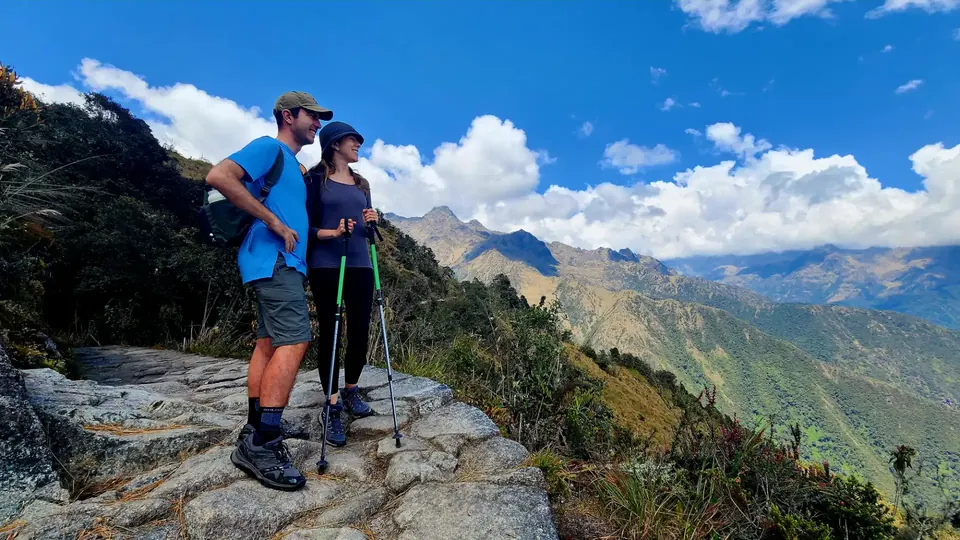
At Cusco’s height each breath carries roughly two thirds of the oxygen you get at sea level. Your body adapts within a few days, but until it does many people notice some of these:
- a headache, often in the evening or on waking
- getting out of breath on stairs or short slopes
- tiredness, poor sleep and a fast heartbeat at night
- less appetite, sometimes mild nausea
Locals call it soroche. It usually starts six to twelve hours after you arrive and fades within one to three days. It has little to do with fitness: young, sporty travellers get it too, and some older travellers feel nothing.
When it is not mild any more: breathlessness while resting, a cough that will not stop, confusion, or walking as if you were drunk. These are signs of a more serious problem. Do not wait for it to pass: go down to a lower place and see a doctor. Cusco has clinics used to treating visitors, and most hotels keep oxygen.
How to avoid altitude sickness
- Give yourself time. The best plan is to land in Cusco and go straight down to the Sacred Valley (about 2,870 m) for one or two nights, then come back up to Cusco. If that does not fit, keep your first day in Cusco free and easy.
- Walk slowly, especially on stairs and hills. Stop before you are out of breath, not after.
- Drink water regularly. The air is dry and you lose more water than you think.
- Eat light the first evening and leave alcohol for the second or third night.
- Try coca tea (mate de coca). It is served everywhere in Cusco and many people find it helps. It is legal in Peru, but it can show up in drug tests and you cannot take the leaves home.
- Ask your doctor before the trip about acetazolamide if you have had altitude problems before or plan a trek. Do not take it without medical advice.
Tip from our guidesIf you arrive by bus from Puno or Arequipa you have already been at altitude, so Cusco will feel easier.
Is the altitude a problem at Machu Picchu itself?
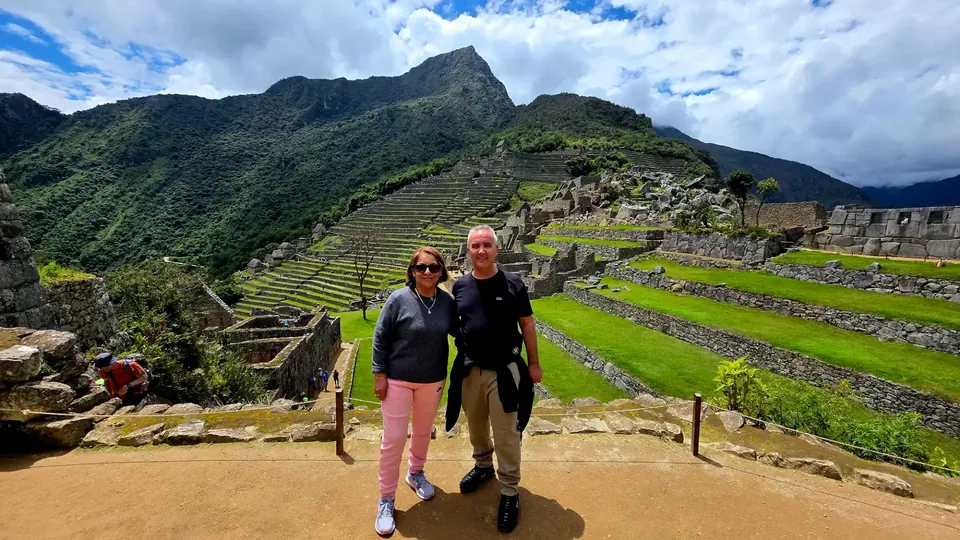
Rarely. The citadel is lower than Cusco, and by the day of your visit you will usually have spent at least a night or two in the region. What people find tiring is not the height but the stone stairs: the classic route has many of them, and there is little shade at midday.
The climbs are a different matter. Huayna Picchu and Machu Picchu Mountain are steep and narrow, and the Mountain gains about 650 metres from the citadel. Book them only after a couple of days in the region, and only if you are comfortable on long staircases.
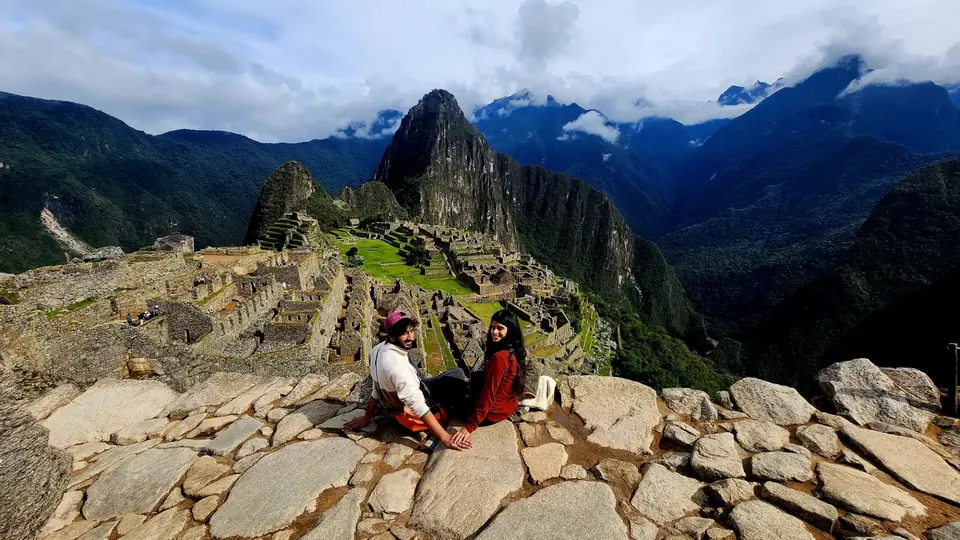 Recommended tour
Machu Picchu Full Day by Train
Full day · From US $375
See the tour →
Which route to Machu Picchu is easiest on the altitude?
- By train via Ollantaytambo: the easiest. You drive down to the Sacred Valley and the train runs downhill into the cloud forest. Our full day by train and 2-day train tour never take you above Cusco’s height.
- Through the Sacred Valley first: the Sacred Valley + Machu Picchu tour spends a day at lower altitude before the citadel, which is a natural way to acclimatise.
- By road via Hidroeléctrica: the van crosses Abra Málaga at 4,316 m. You stay in the vehicle, but sensitive travellers can feel a headache on the pass.
- Inca Trail and treks: the Classic Inca Trail crosses Dead Woman’s Pass at 4,215 m and the Salkantay trek reaches 4,630 m. Spend at least two, better three days in Cusco before starting.
A simple acclimatisation plan
For a train visit (4 to 5 days in the region): day 1 land in Cusco and rest; day 2 Sacred Valley; day 3 Machu Picchu; day 4 Cusco city and ruins; day 5 free or fly out. Or land and go straight to the Sacred Valley, then do Machu Picchu from there.
For the Inca Trail or Salkantay (7 days or more): two or three days in Cusco and the Sacred Valley, the trek, and a rest day before your flight. Sleeping at lower altitude in the Valley the first night helps a lot.
Travelling with children or older relatives: the same rules apply. Machu Picchu is fine for most families; the long days and the stairs are the real effort. If anyone has a heart or lung condition, ask a doctor before booking.
Frequently asked questions
How high is Machu Picchu in feet?
The citadel is at 7,972 ft (2,430 m). Huayna Picchu reaches 8,835 ft and Machu Picchu Mountain 10,111 ft.
Is Machu Picchu higher than Cusco?
No. Cusco is at 3,399 m (11,152 ft), almost a thousand metres higher than Machu Picchu. That is why the altitude is usually felt in Cusco, not at the citadel.
Will I get altitude sickness at Machu Picchu?
It is unlikely at the site itself. If you get symptoms, they normally appear in your first day or two in Cusco and fade as you adapt.
How many days should I acclimatise before visiting Machu Picchu?
One or two easy days in Cusco or the Sacred Valley are enough for a train visit. Before the Inca Trail or Salkantay, plan two to three days.
Does coca tea help with altitude?
Many travellers find it eases a mild headache and it is offered in most Cusco hotels. It is not a cure, and it can show up in drug tests.
Can children visit Machu Picchu with the altitude?
Yes. Children visit every day. Give them the same easy first days, plenty of water and short breaks on the stairs, and check with your paediatrician if they have any health condition.